Barriers to Safety brings survivor experiences and research into Scotland’s GBV conversation
An emotional documentary, a powerful drama and discussions between communities and public services put women’s experiences at the centre of Fantanka Diaspora CIC’s national summit in Edinburgh.
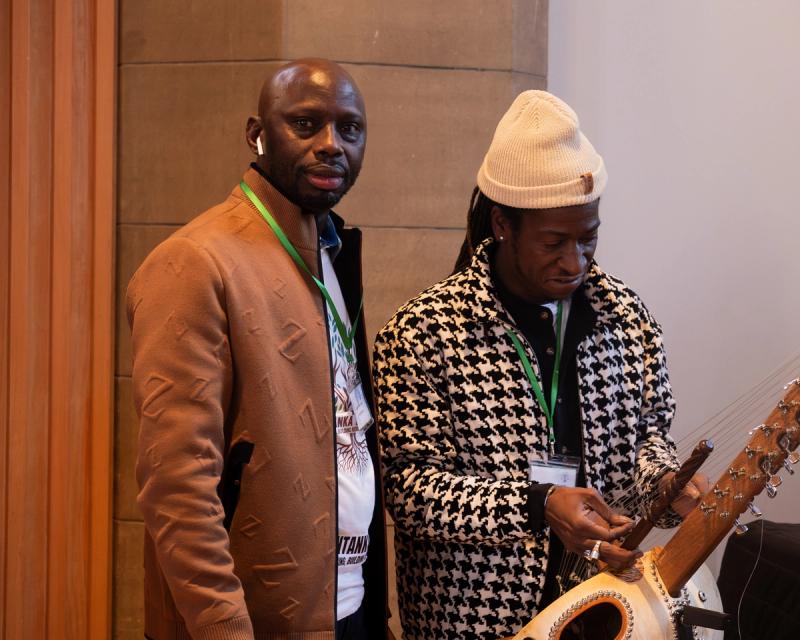
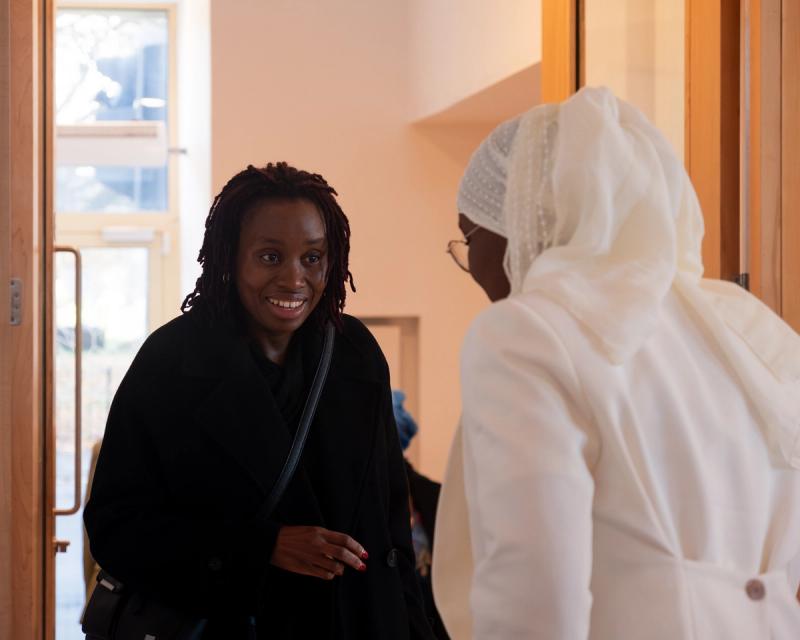
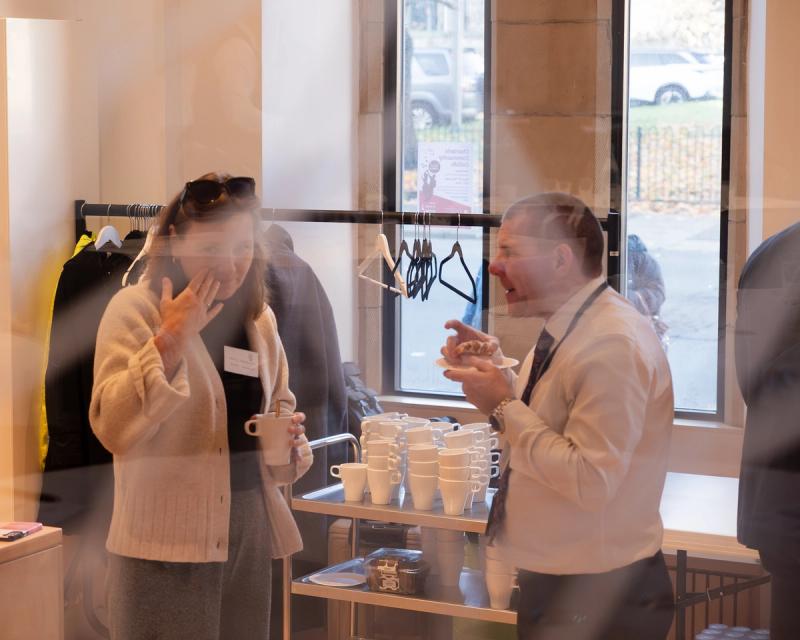
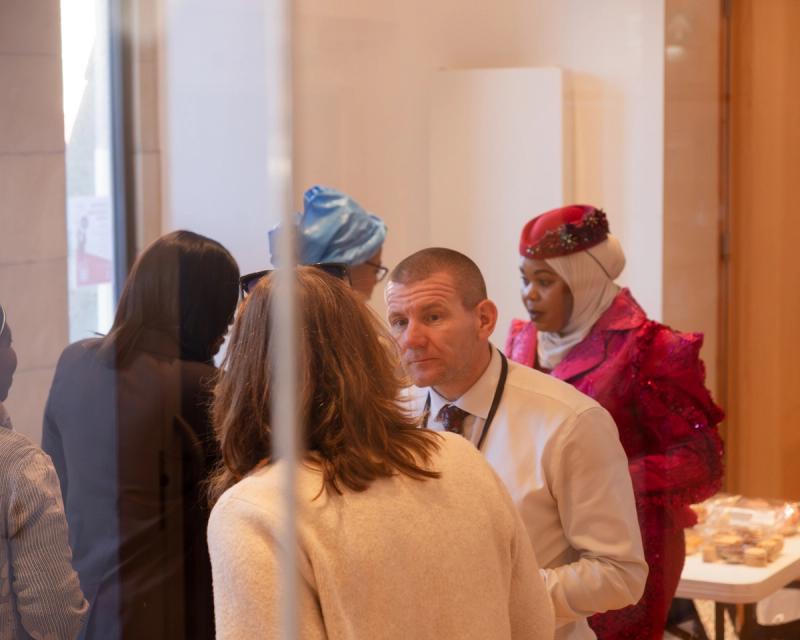
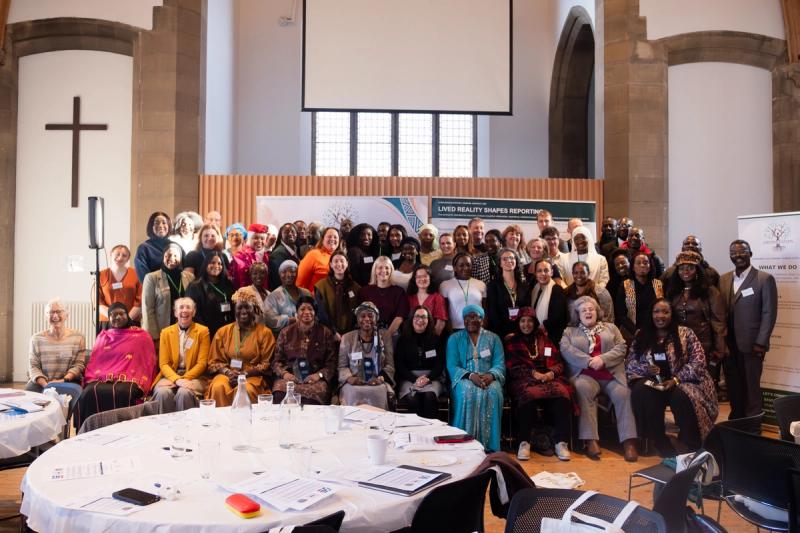
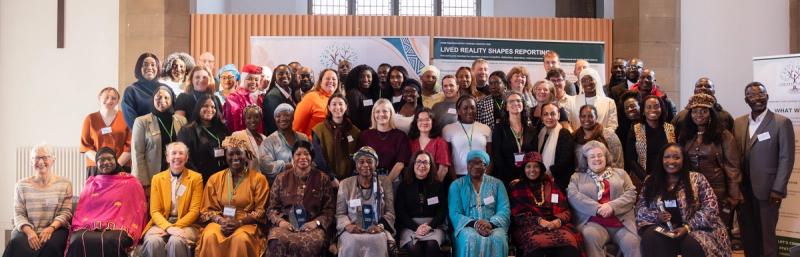
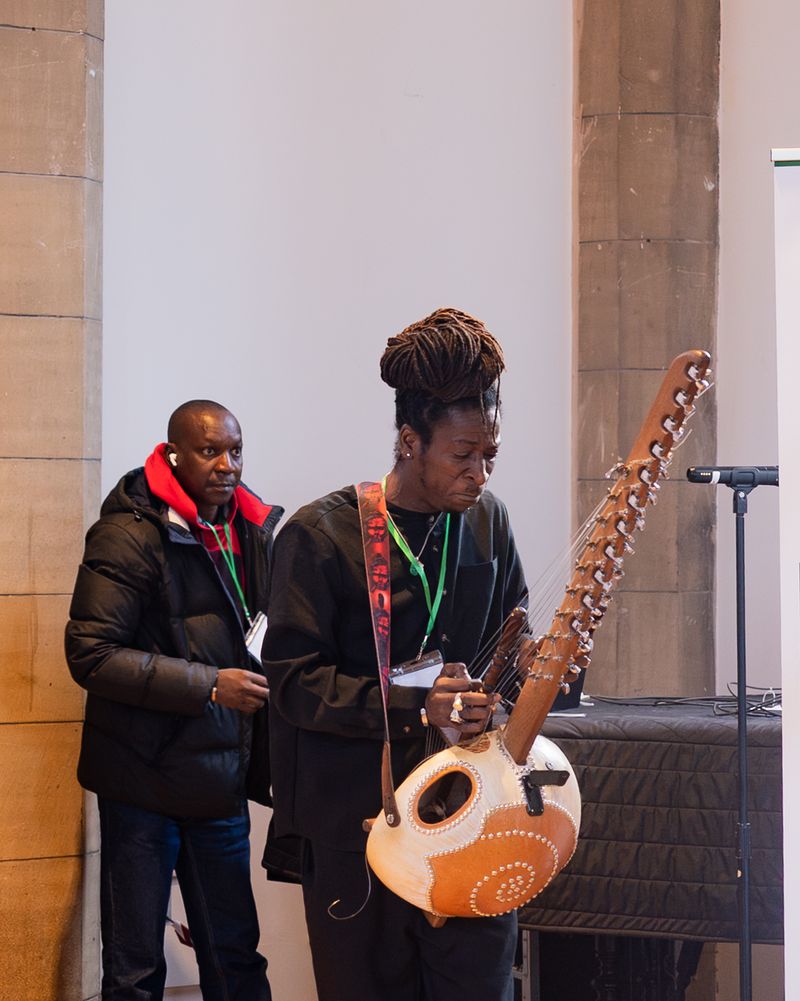
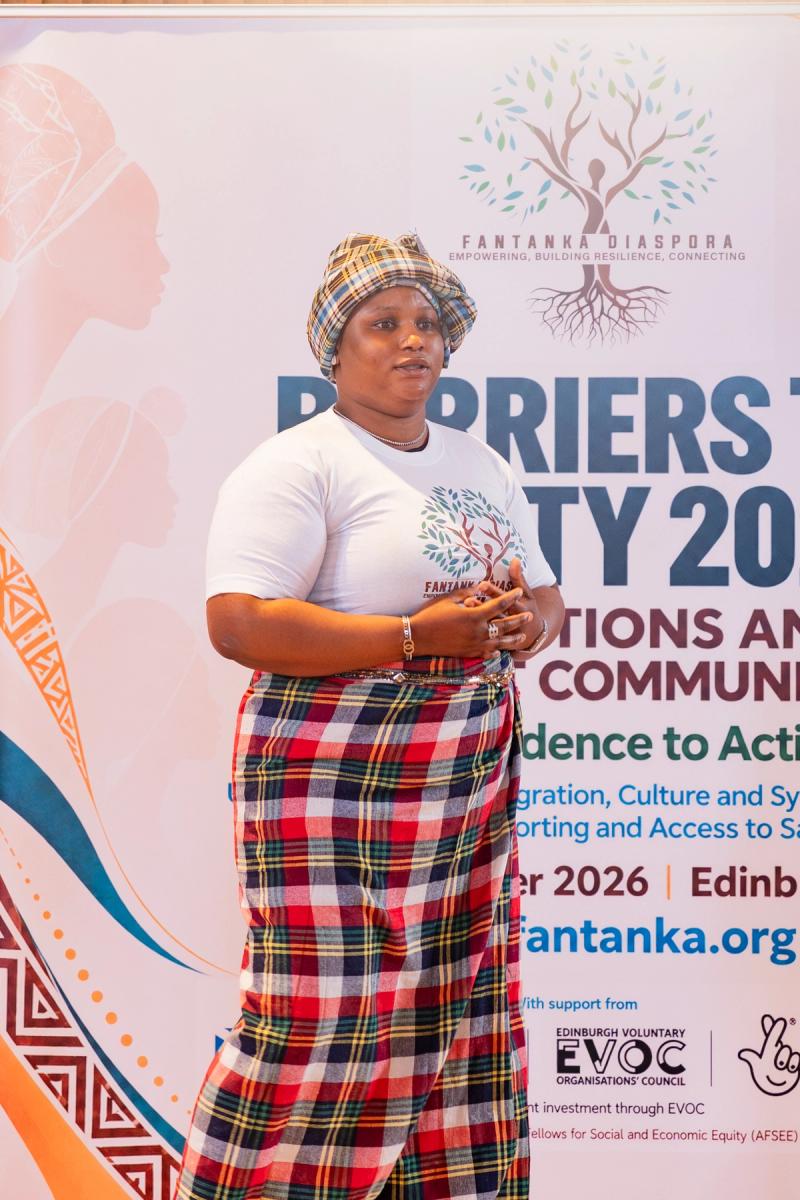
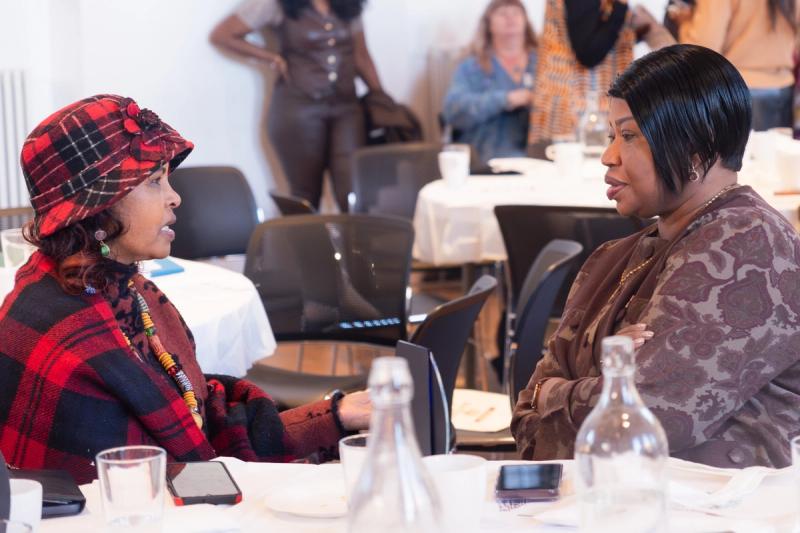
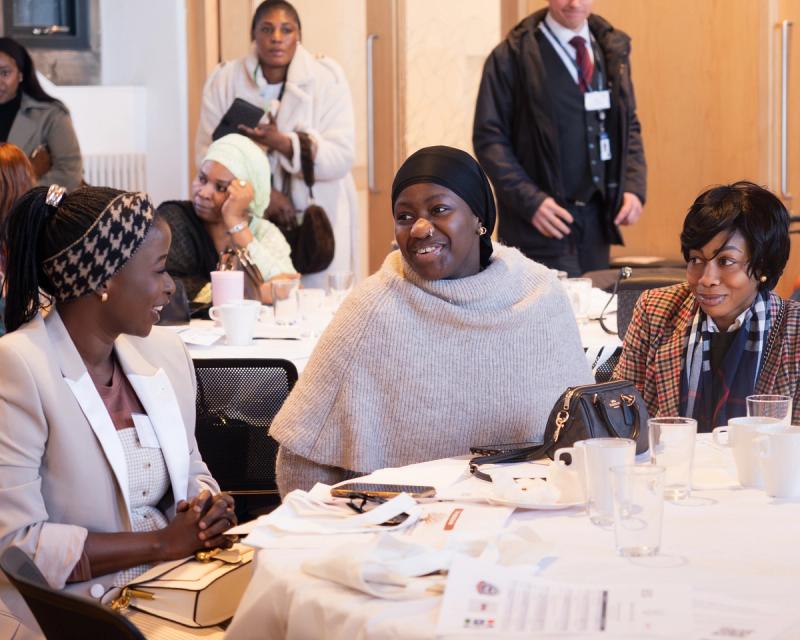
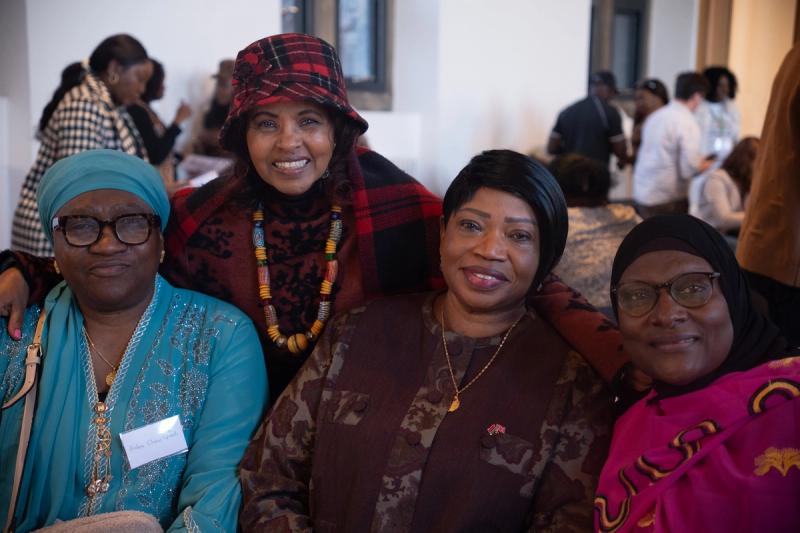
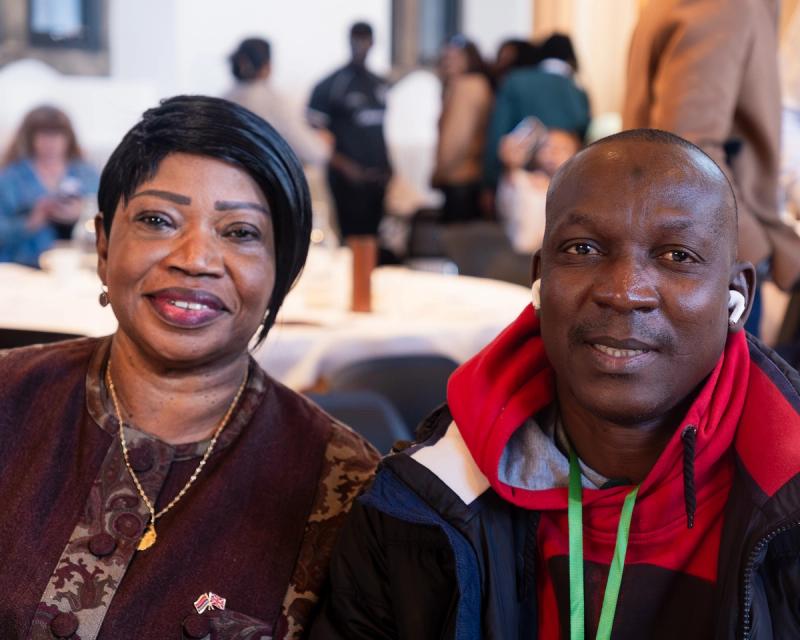
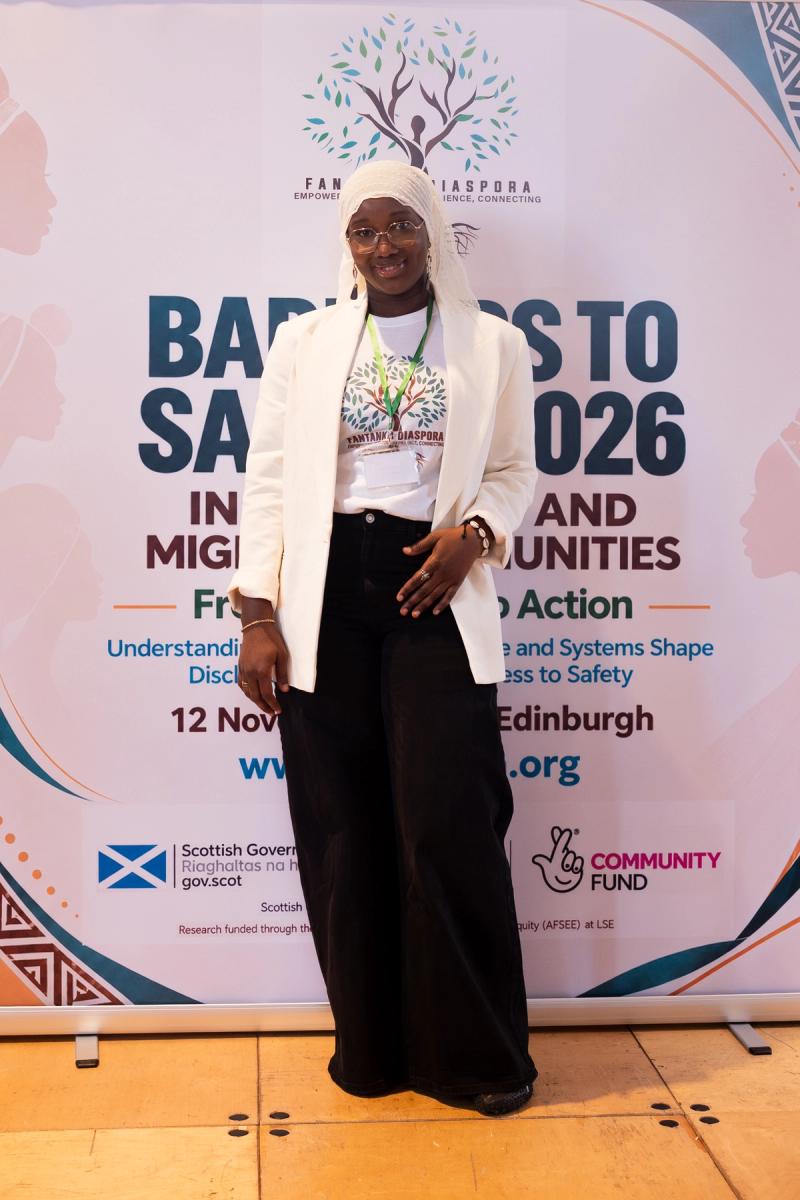
What prevents a woman experiencing violence from seeking help, and what happens when support feels beyond her reach? These questions shaped Day One of Barriers to Safety 2026, held on 12 November at Greyfriars Charteris Centre.
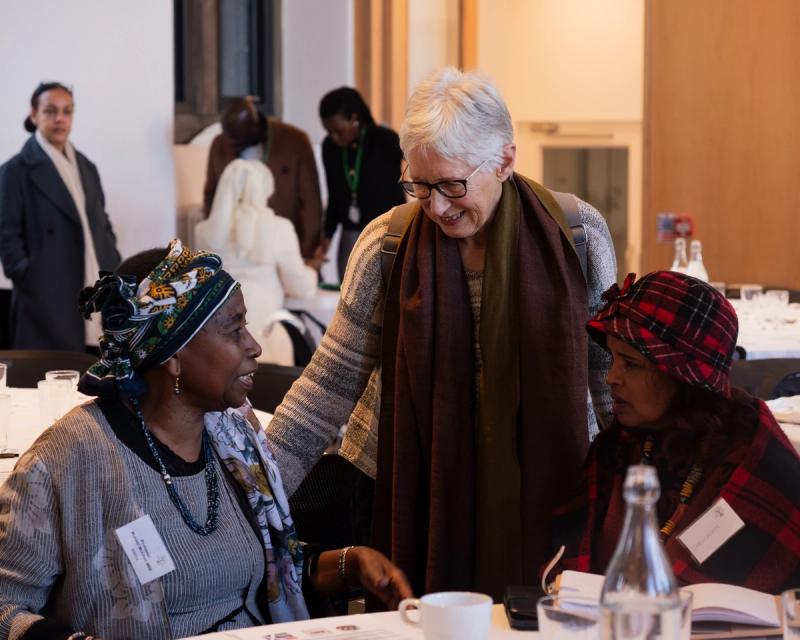
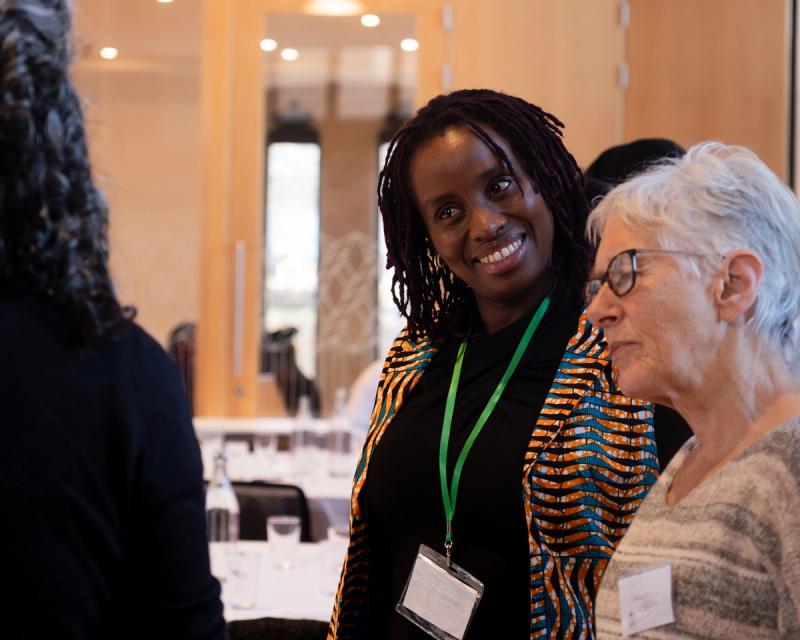
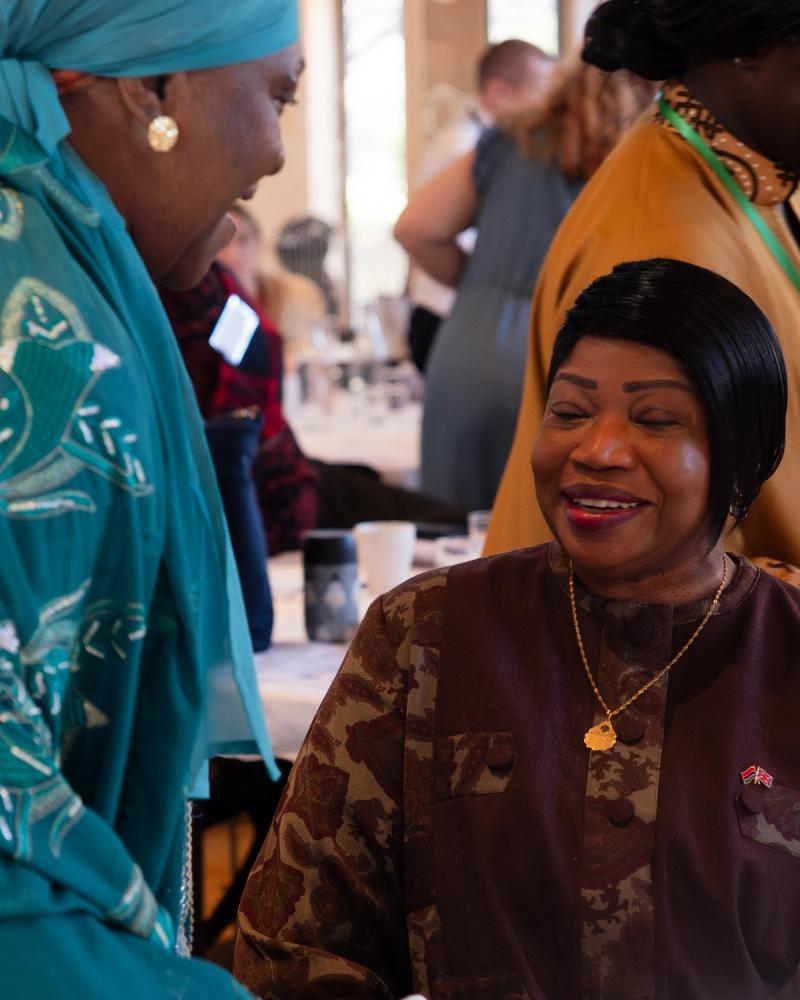
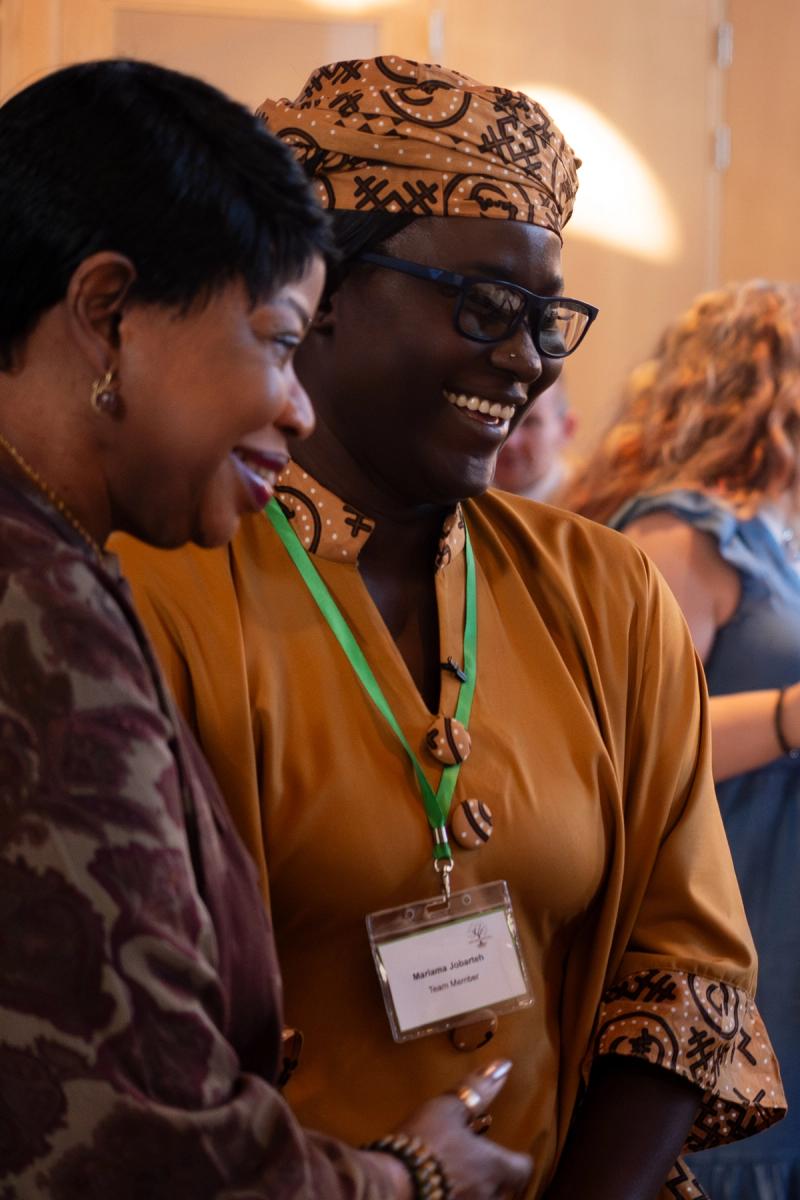
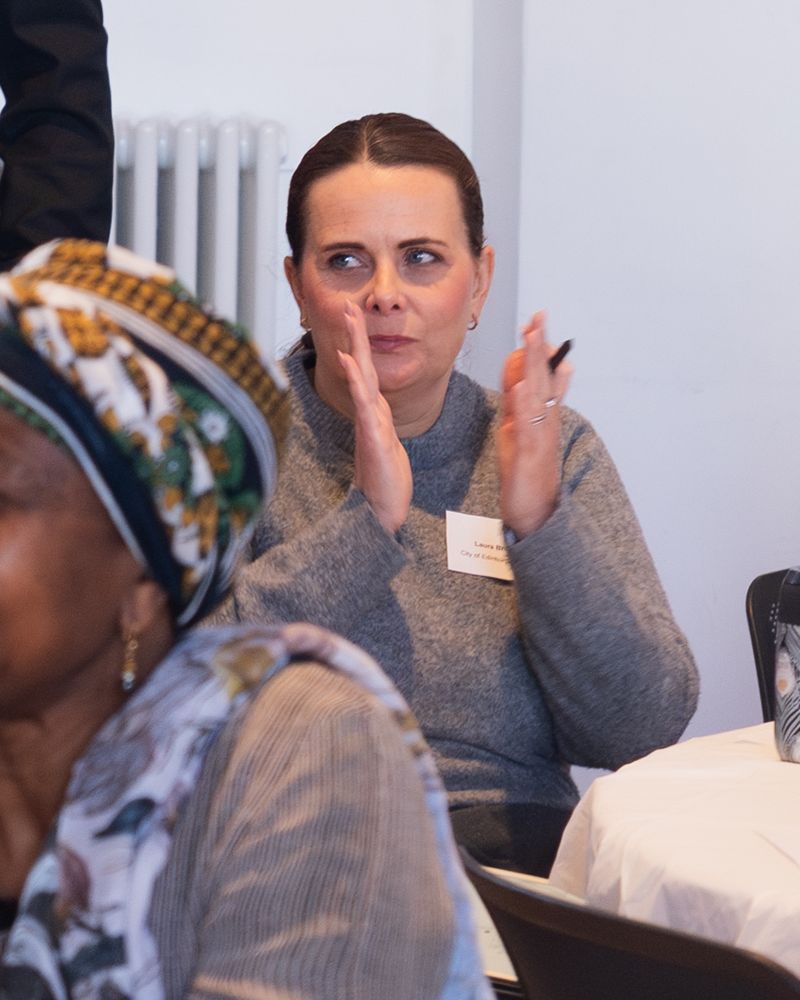
The summit brought survivors, researchers, community organisations and public institutions together to examine how migration, cultural expectations and institutional responses influence the disclosure and reporting of gender-based violence.
Research grounded in women’s experiences
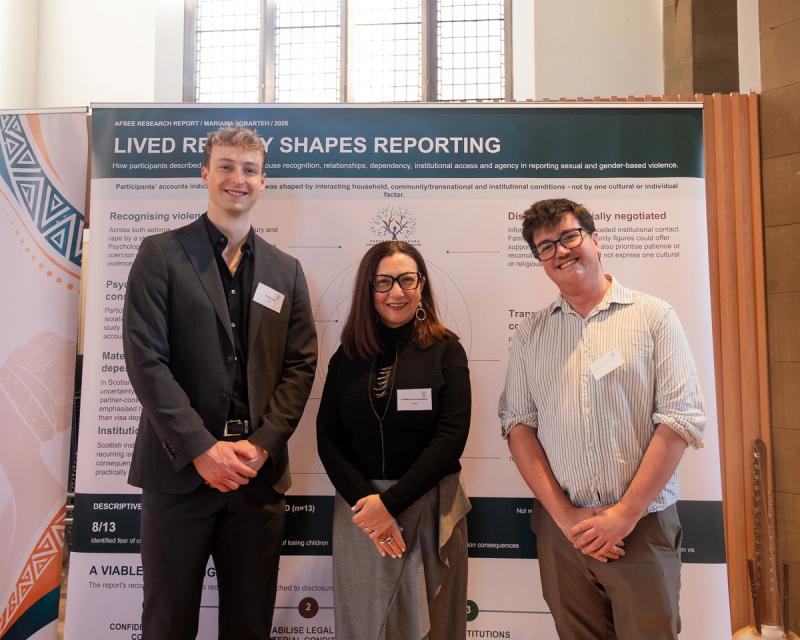
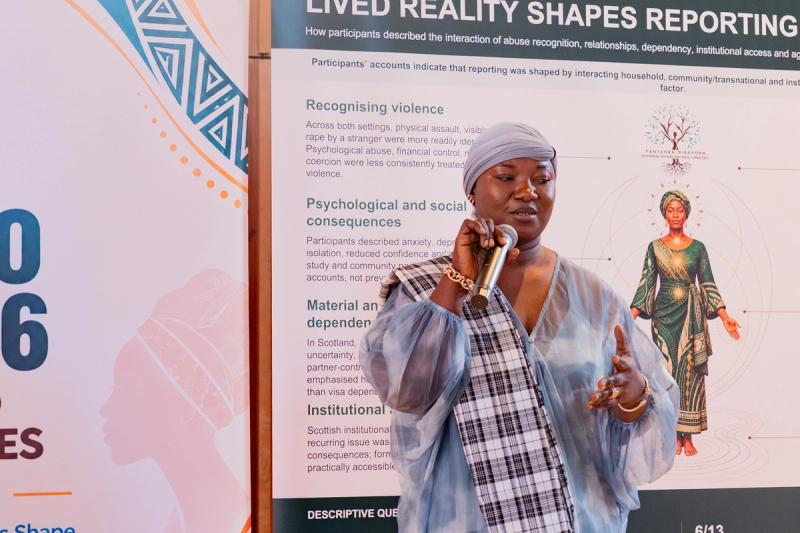
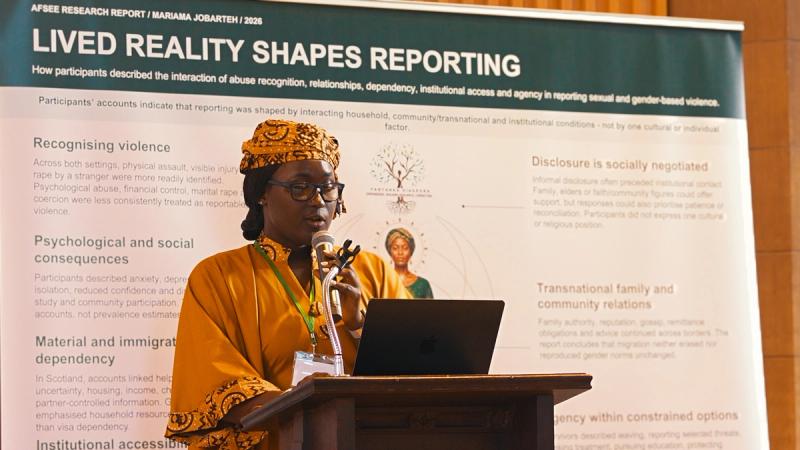
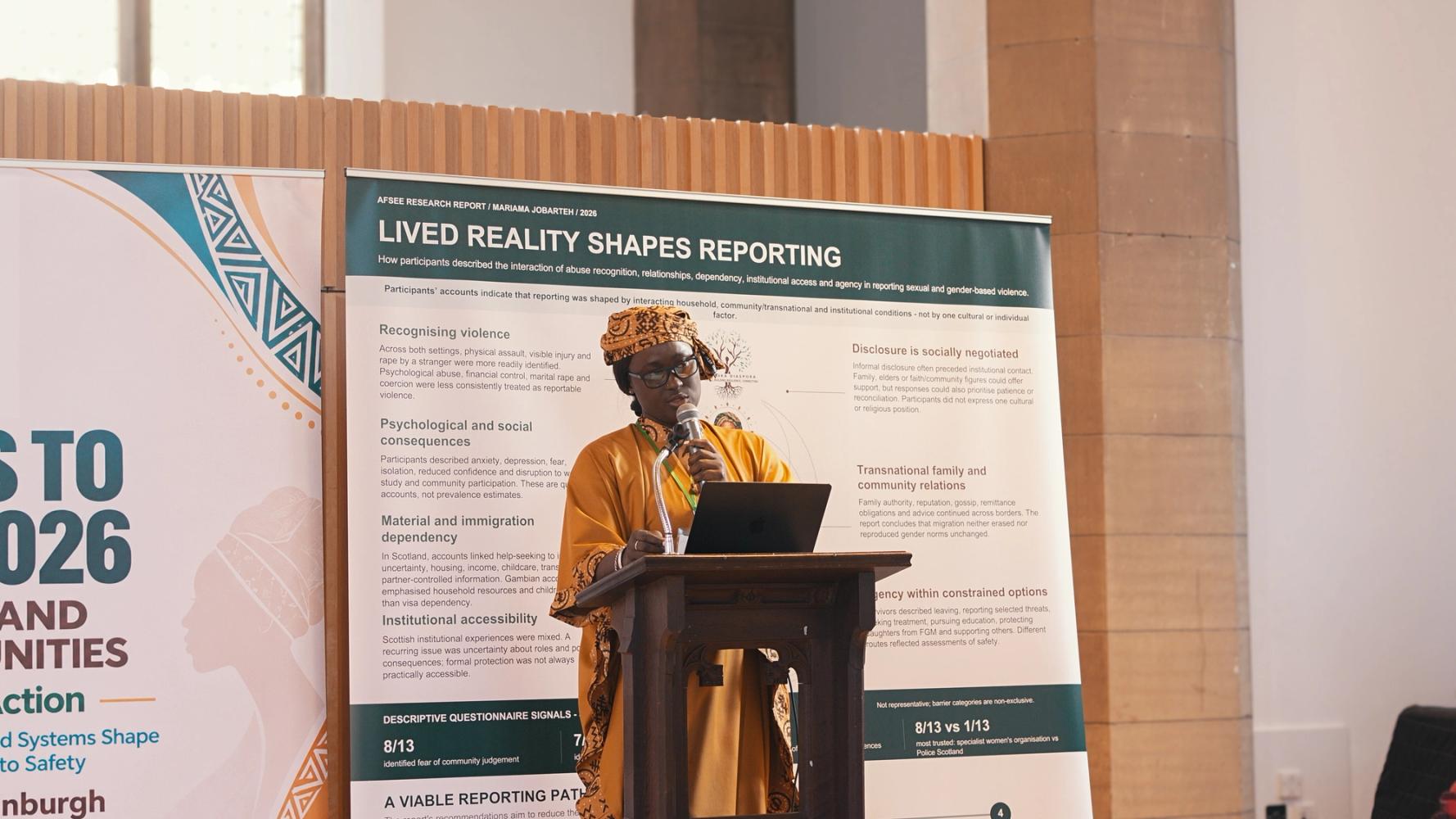
The summit grew from research undertaken by Fantanka’s Founder and CEO, Mariama Jobarteh, through her Atlantic Fellows for Social and Economic Equity fellowship. Focusing on underreporting among migrant and minoritised women, particularly Gambian women in Edinburgh, the research explored why women may remain silent even when support services exist.
The findings highlighted interconnected barriers, including stigma, financial dependence, immigration concerns, mistrust of institutions and fears about social services involvement. Family expectations and the risk of isolation within closely connected communities can make seeking help even more difficult.
This evidence gave participants a starting point for examining community attitudes and how services respond to women seeking safety.
Making the impact of violence visible
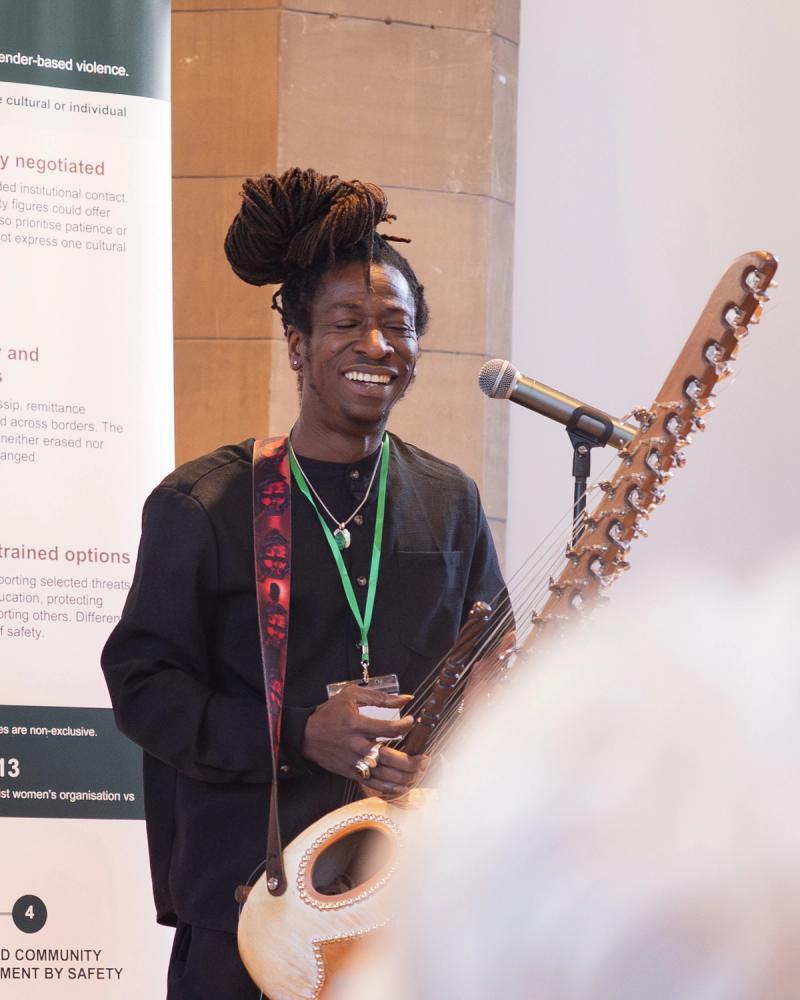
A drama followed a woman’s journey through FGM in childhood, sexual violence and domestic violence. The performance showed how these experiences can interact across a lifetime, deepening trauma and affecting a survivor’s wellbeing, relationships and ability to seek support.
An emotional documentary featured real survivors describing their experiences of GBV and the difficulties they faced when seeking help. Their accounts called for more action to address the barriers women encounter when accessing services. Together, the drama and documentary brought the human consequences of those barriers into the room.
From evidence to action
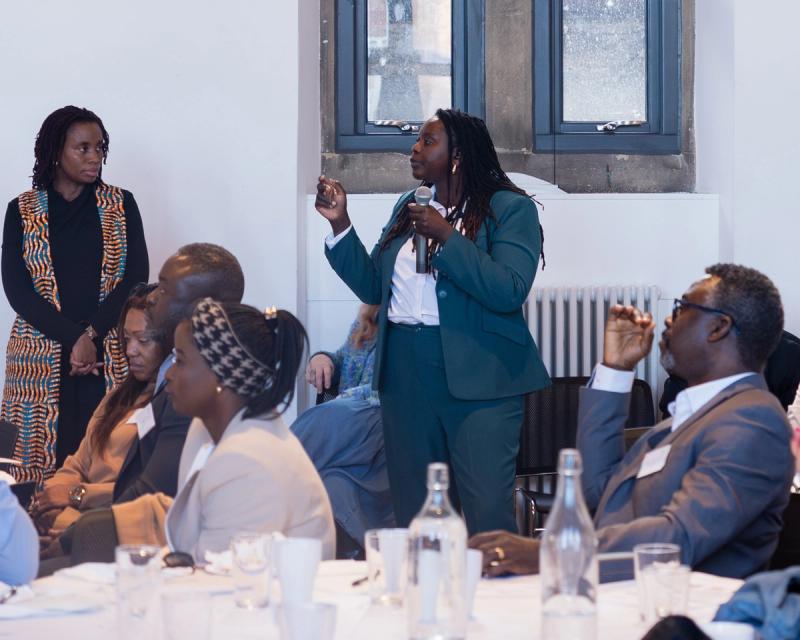
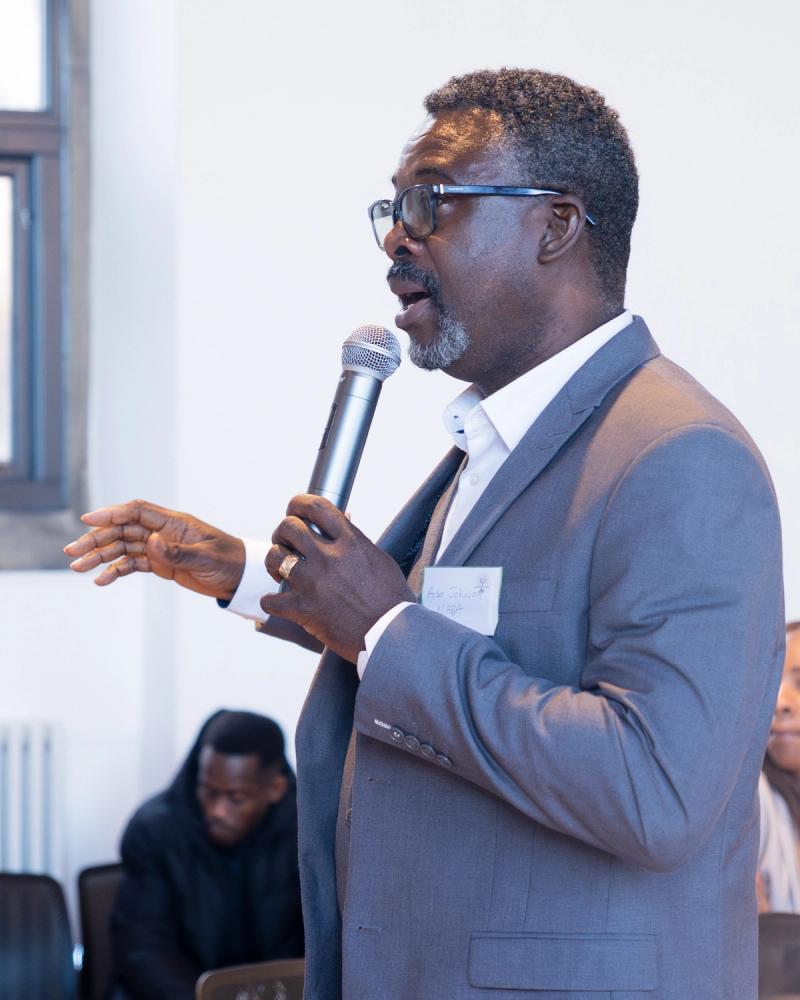
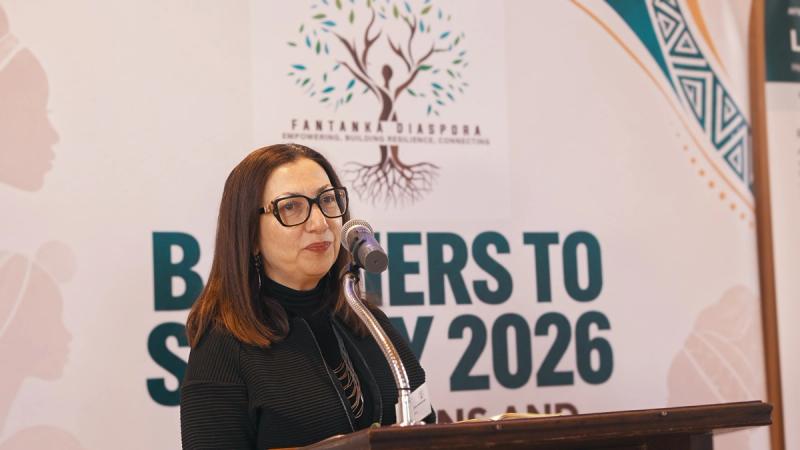
The first panel, “Where Is Scotland on GBV? Policy, Practice and Access to Safety,” was facilitated by Professor Armine Ishkanian. Adam Brown of Police Scotland, Katie Brown of COSLA/Equally Safe, Fraser McKinlay of The Promise and Oonagh O’Brien brought perspectives on policing, policy, children and families, and FGM.
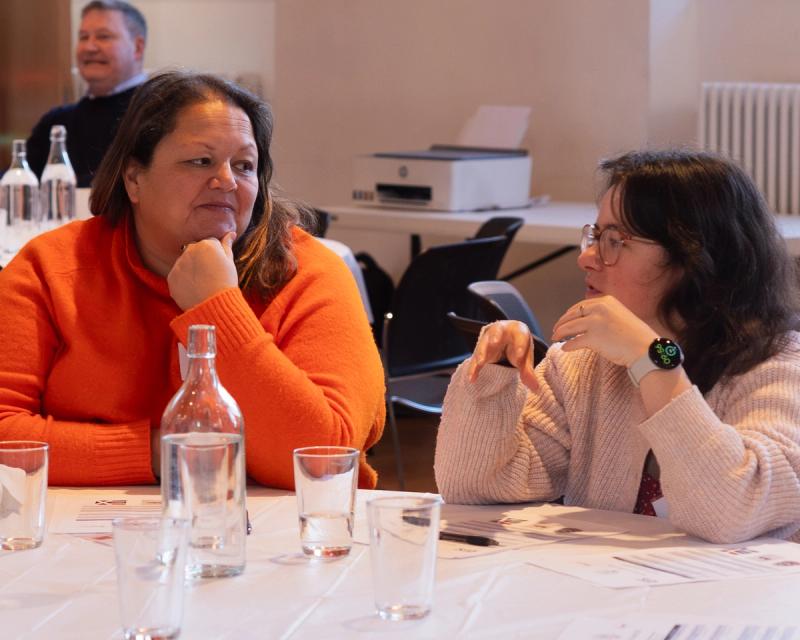
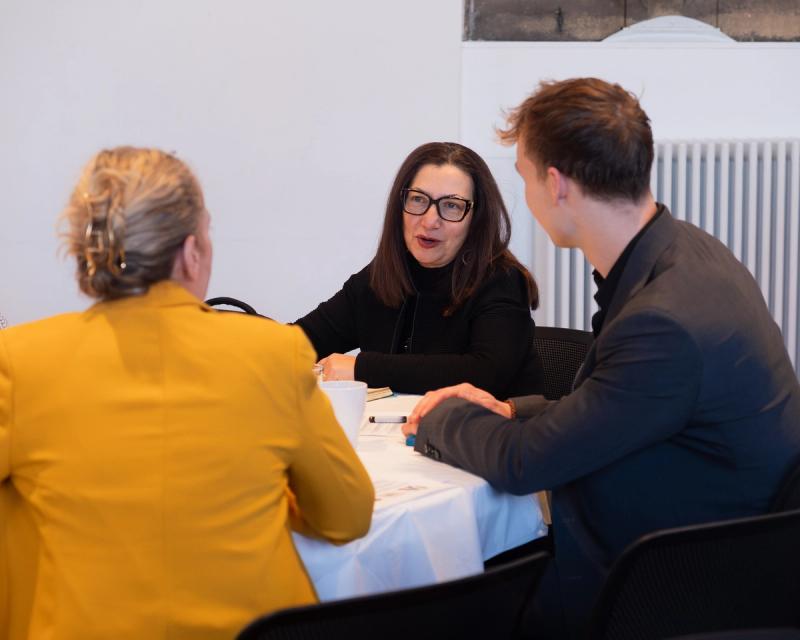
Afternoon breakout discussions led by GAMSCA, Kwisa, Mwamba, NABA and Project Esperanza connected the research to community priorities. A second panel, “From Evidence to Action,” chaired by Jerusalem Barnabas, brought those discussions together to consider practical changes.
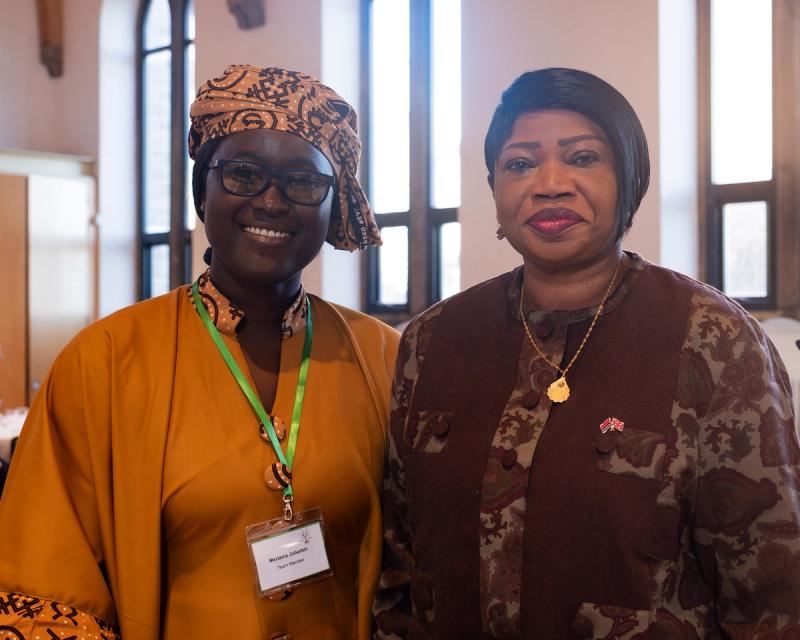
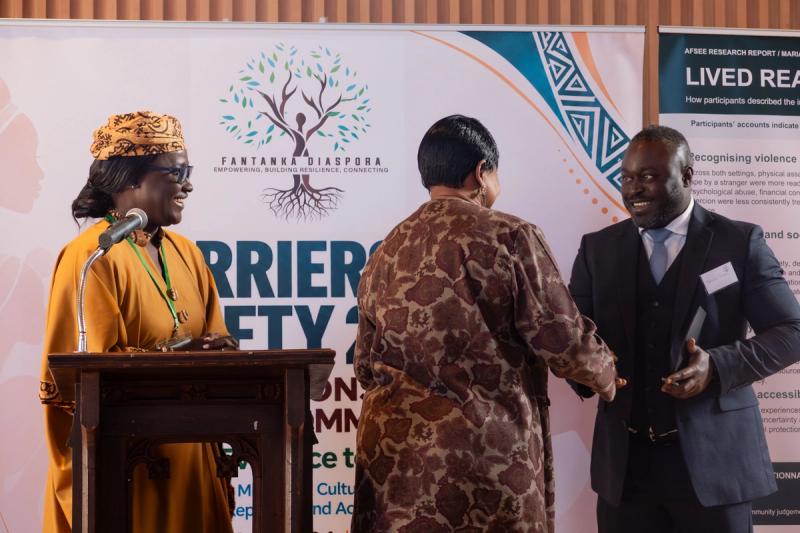
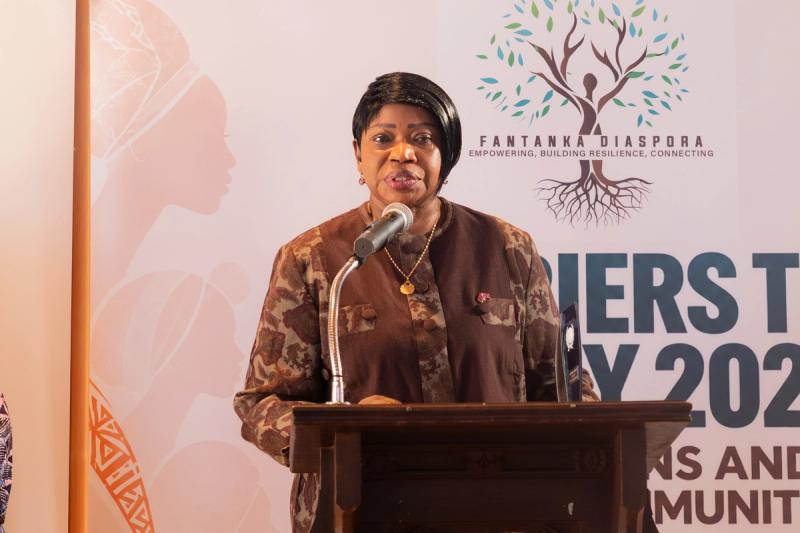
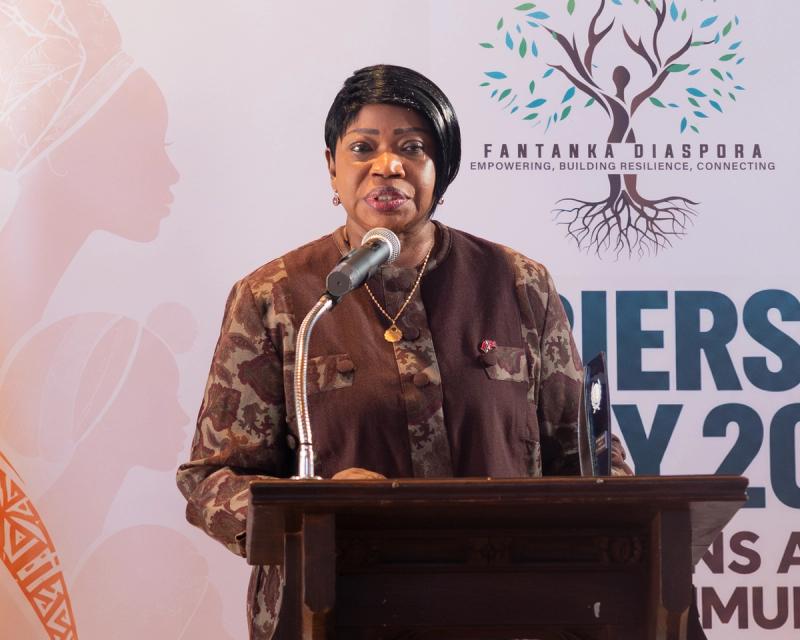
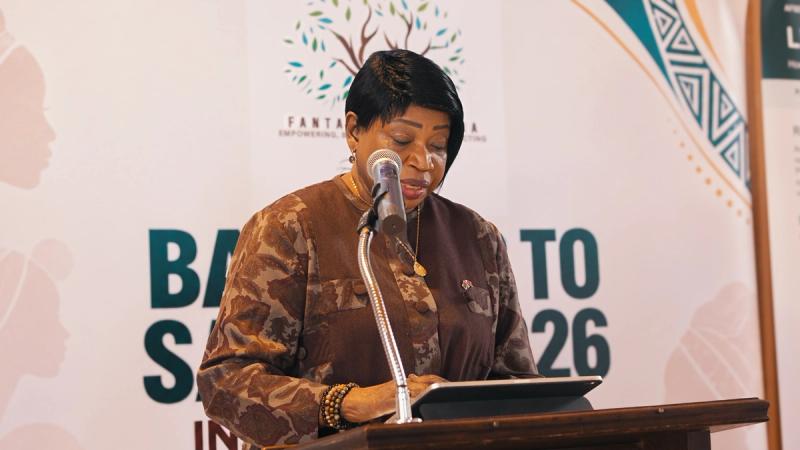
Contributions from Her Excellency Dr Fatou Bensouda, Catherine McMeeken, Councillor Ruth Elliott and Stefan Smith also addressed leadership, inclusion and access to support, including for people with no recourse to public funds.
Remembering Ndata Secka
The summit also remembered Ndata Secka, known as Ndata Bobb, who was murdered by her husband. Her remembrance brought a painful reality into the discussions about domestic violence and women’s safety. It reinforced the urgency of taking women’s experiences seriously and ensuring that protection and support are accessible.
Honouring women’s leadership
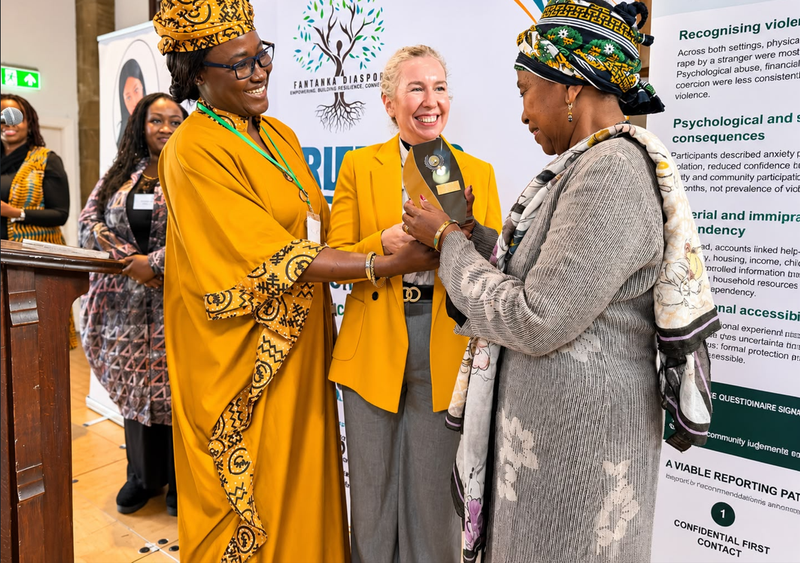
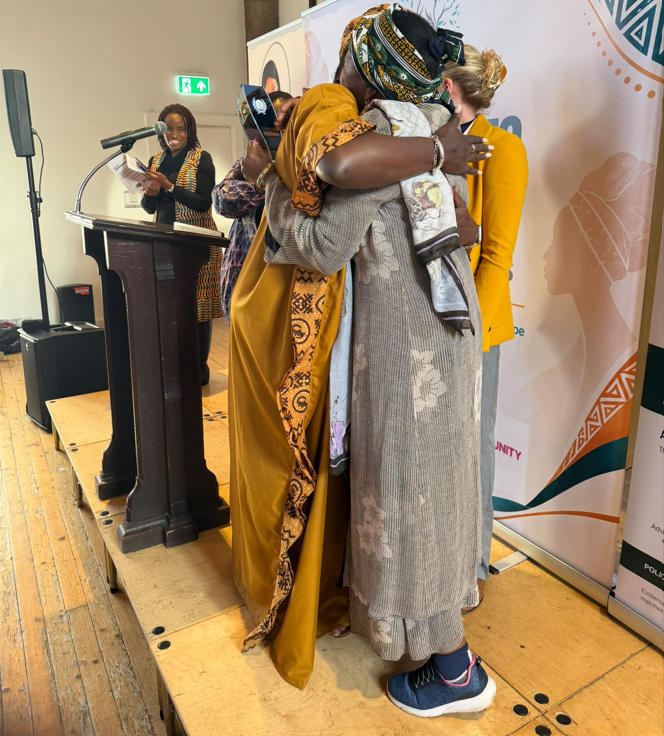
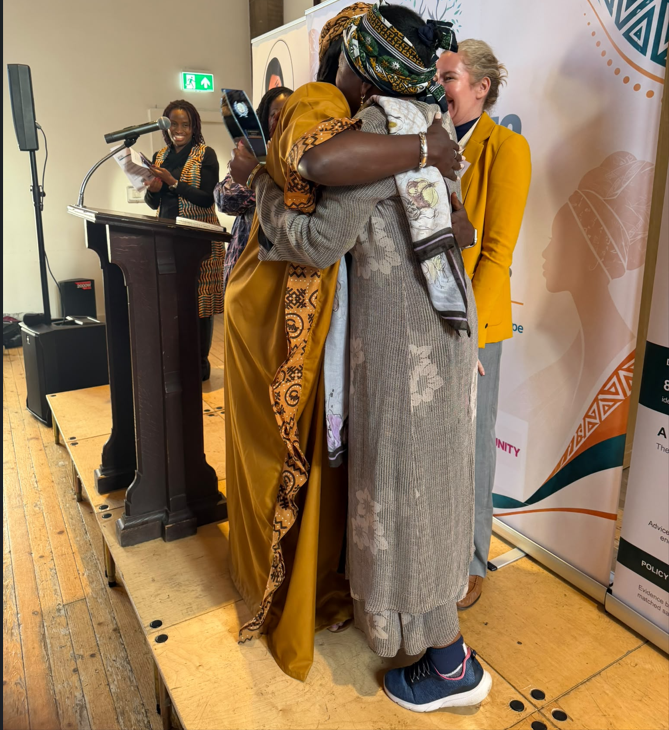
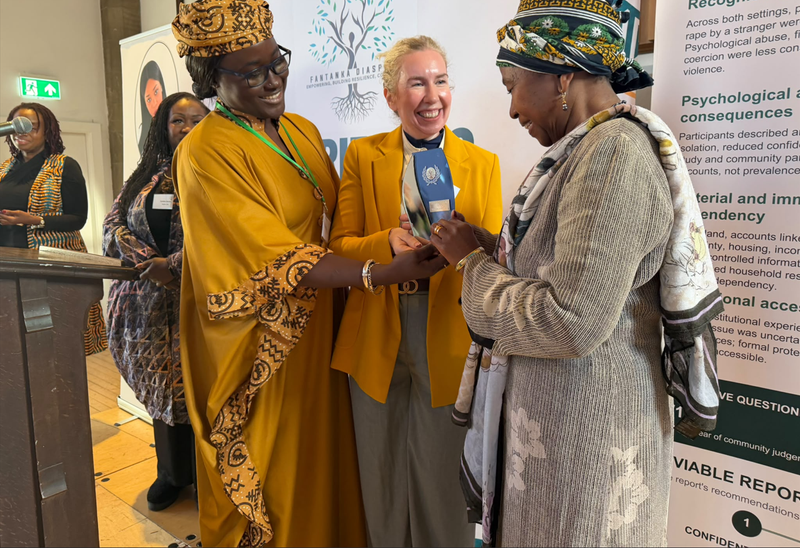
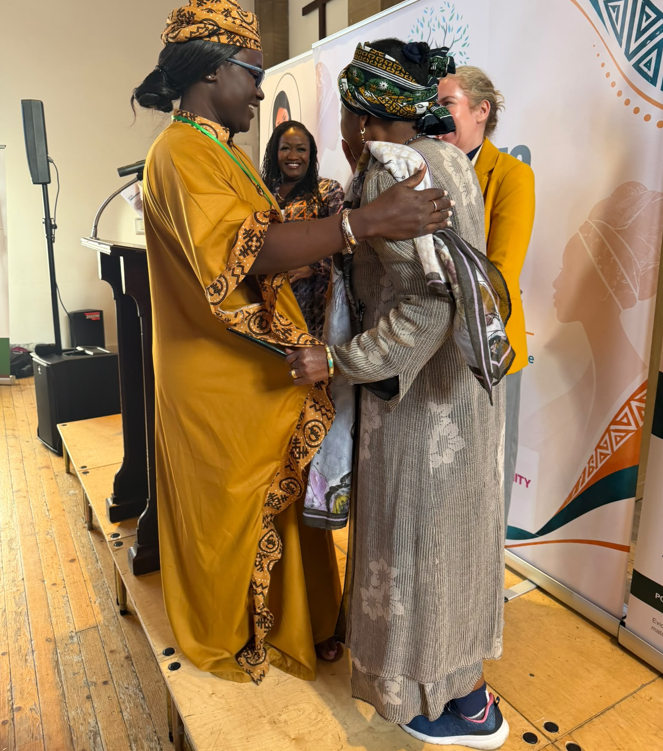
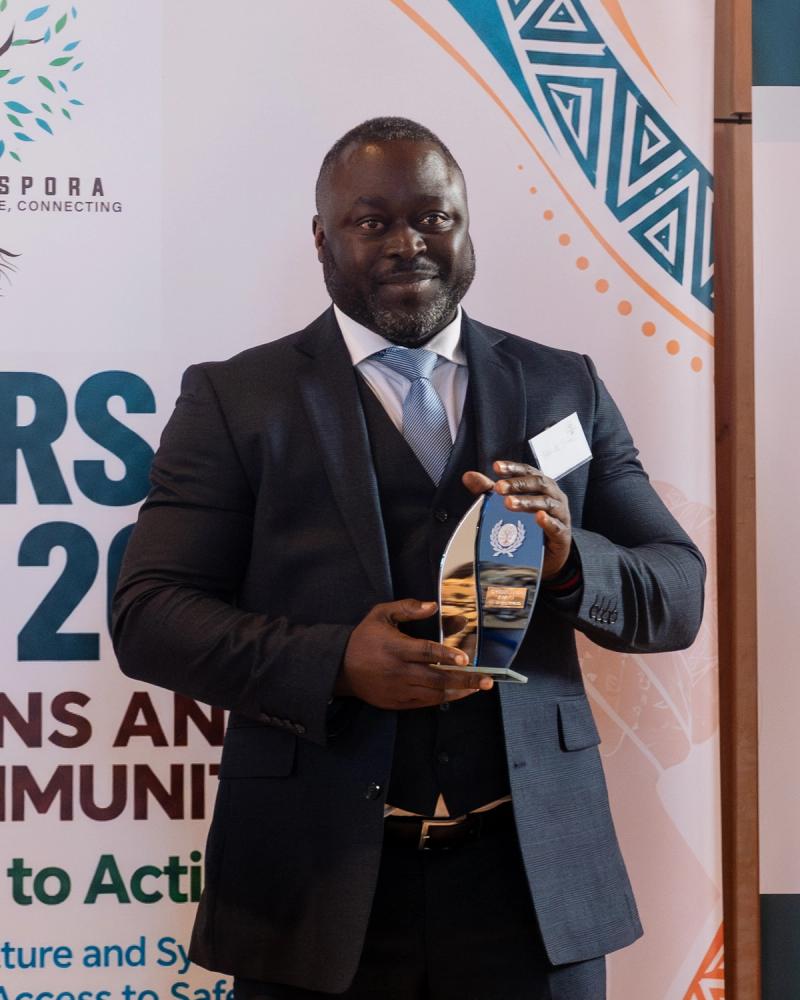
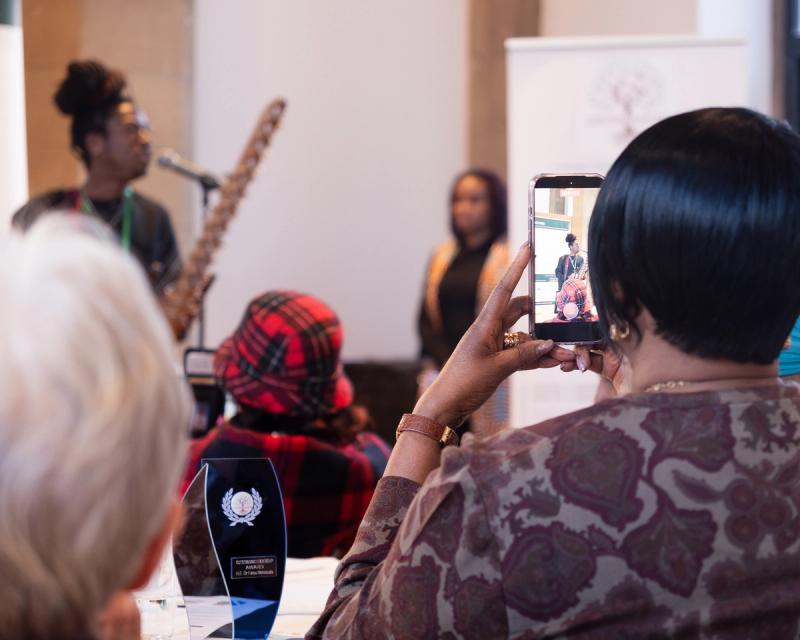
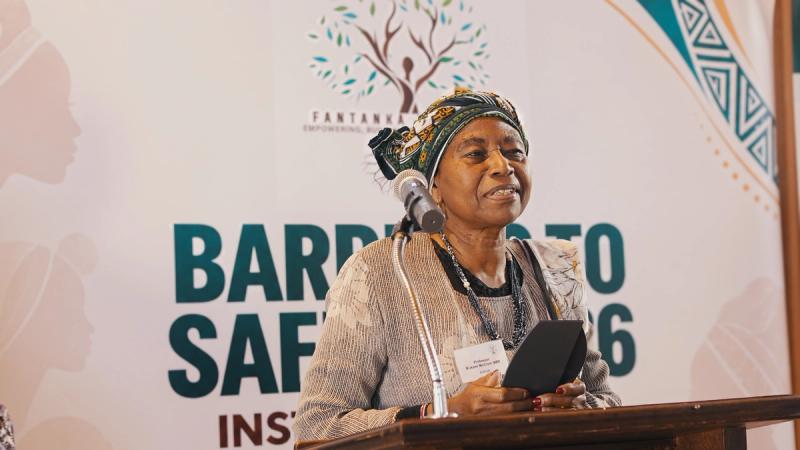
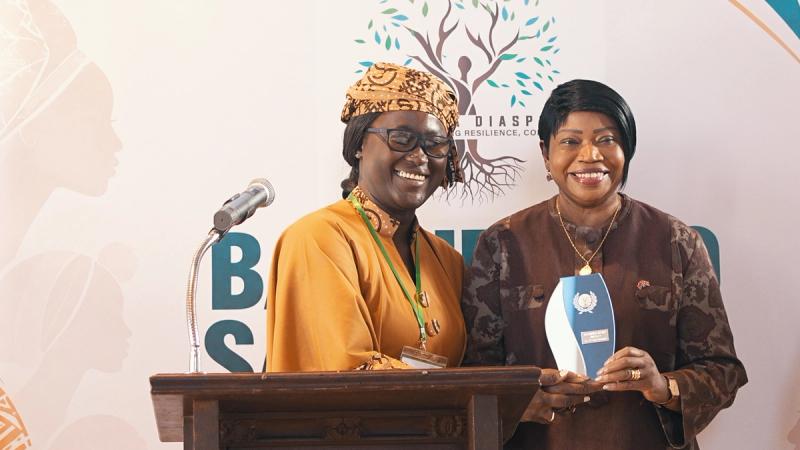
The summit honoured Professor Mukami McCrum MBE with a Lifetime Achievement Award and Her Excellency Dr Fatou Bensouda with an Outstanding Leadership Award, recognising their contributions and women’s leadership in advancing dignity and justice.
What this means for Scotland
The summit raised a clear challenge for Scotland. Inclusion must be reflected in whether women can understand, trust and safely access the support available to them.
A culturally sensitive response requires services to understand how family relationships, faith, stigma, racism and immigration circumstances can shape a woman’s choices. It also requires listening without assumptions, respecting confidentiality and recognising the diversity of experiences within migrant communities.
Culture must never become a reason to excuse violence. Working alongside trusted organisations led by women from these communities can help services challenge harmful practices while responding with care and understanding.
Barriers to Safety opened difficult conversations between communities and institutions. Turning that dialogue and evidence into practical changes will be essential to building services women can trust when they need help.
The Barriers to Safety research will be published on 10 December 2026, Human Rights Day. The report will share findings and recommendations for addressing the barriers migrant and minoritised women face when reporting gender-based violence and accessing support. Read it at www.fantanka.org.
Event Programme